

Industries
ADMAX composites are tailored to meet the demands of advanced industries, combining material science innovation with real-world performance. From factory floors to orbit, we enable lighter, more efficient and more reliable systems.
Robotics
Lightweight, durable materials engineered for high-performance automation.
Metal Replacement
Replace aluminium and steel components with high-performance polymer composites while maintaining structural integrity and dimensional stability.
→ Up to 50-70% weight reduction, enabling faster movement and lower energy consumption
Reduced Downtime
Low friction, wear resistance, and corrosion immunity reduce the need for lubrication and maintenance.
→ Extended maintenance intervals and fewer unplanned stoppages in high-cycle systems
Extended Component Life
Excellent fatigue resistance and wear performance in dynamic applications such as gears, bearings, and end-of-arm tooling.
→ Up to 2x longer service life in high-wear applications

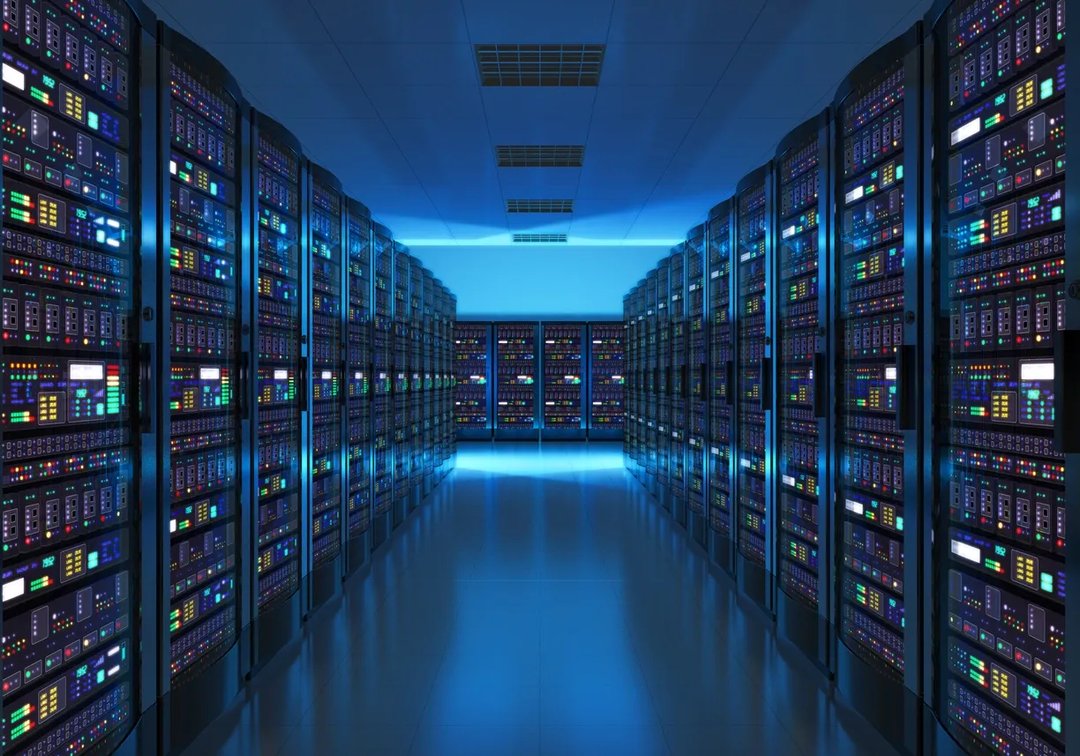
Data Centres
Thermally engineered materials for next-generation computing infrastructure.
Enhanced Thermal Management
ADMA integration significantly improves thermal conductivity compared to standard polymers.
→ Up to 5-10x higher thermal conductivity vs base materials, supporting more efficient heat dissipation
Improved Energy Efficiency
Better thermal performance enables optimisation of cooling strategies in high-density environments.
→ Potential to reduce cooling demand, with system-level savings dependent on architecture
Increased Reliability
High thermal stability and resistance to thermal cycling help maintain performance over time.
→ Reduced risk of thermal-induced deformation and component failure
Space
Advanced materials for extreme environments and future space manufacturing.
Lightweighting
Significant mass reduction compared to traditional metal components without compromising performance.
→ Up to 50-70% weight reduction, reducing launch mass and cost
Radiation Resistance
Material structures can be engineered to improve resistance to radiation-induced degradation compared to conventional polymers.
→ Enhanced durability in radiation-exposed environments
Manufacturing Flexibility (In-Space Ready)
Compatibility with additive manufacturing enables on-demand production and repair.
→ Reduced reliance on pre-launched inventory, with mission-dependent mass savings